Blog

  • Tree Care: Simple Steps for Healthy Growth

    Trees are one of nature’s greatest gifts. They provide fresh air, shade, beauty, and shelter for wildlife. They also help reduce air pollution, protect soil, and maintain environmental balance. However, trees need proper care to remain healthy, strong, and beautiful. Tree care is not just about watering plants; it involves several important practices that support their growth and long-term survival.

    1. Water Trees Regularly

    Water is essential for healthy tree growth. Young trees need regular watering because their roots are still developing. During hot and dry weather, trees may require additional water. However, overwatering should be avoided because too much moisture can damage roots. Watering deeply around the root zone is generally more effective than giving small amounts frequently.

    2. Provide Healthy Soil

    Healthy soil is the foundation of a healthy tree. Trees need nutrients, oxygen, and enough space for their roots to grow. Adding organic compost or natural mulch can improve soil quality. Avoid compacting the soil around trees by parking vehicles or placing heavy objects near their roots.

    3. Prune Trees Carefully

    Pruning helps remove dead, damaged, or diseased branches and encourages healthy growth. It can also improve the shape of a tree and reduce potential safety risks. However, excessive pruning can weaken trees. Always use clean, sharp tools and avoid removing too many branches at once. Large branches should be handled by trained tree-care professionals.

    4. Protect Trees from Pests and Diseases

    Trees can be affected by insects, fungi, and different diseases. Regularly inspect leaves, branches, and trunks for unusual spots, holes, cracks, or discoloration. Early detection makes it easier to manage problems before they become serious. Use suitable treatments when necessary and seek professional advice if a tree shows signs of severe damage.

    5. Apply Mulch Around Trees

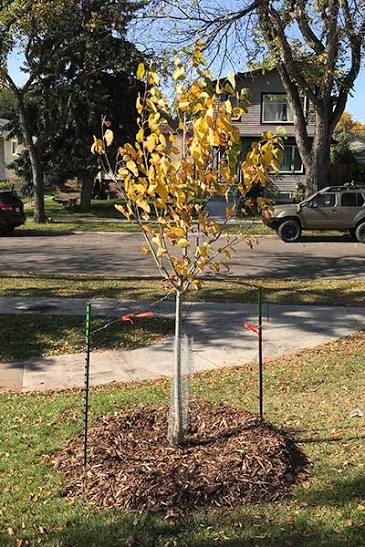
    Mulching is a simple yet effective way to protect trees. A layer of organic mulch helps retain soil moisture, control weeds, and regulate soil temperature. Spread mulch around the base of the tree, but keep it away from direct contact with the trunk. This helps prevent excess moisture and possible trunk damage.

    6. Give Trees Enough Space

    Trees need sufficient space to develop strong roots and healthy branches. Avoid planting them too close to buildings, underground pipes, or power lines. Choosing the right tree for the available space can prevent future maintenance problems.

    Conclusion

    Tree care is an important responsibility that benefits both people and the environment. Regular watering, healthy soil, proper pruning, pest protection, and suitable mulching can help trees grow stronger and live longer. By following simple tree-care practices, everyone can contribute to a greener, cleaner, and healthier planet. Protecting trees today means creating a better environment for future generations.

  • The Art of Tree Care: Growing Healthier Trees for a Greener Future

    Trees are one of nature’s greatest gifts. They provide fresh air, shade, beauty, and shelter for wildlife while helping to maintain a healthy environment. However, trees need proper care and attention to remain strong and healthy. Tree care is not just about watering plants or cutting branches; it involves understanding their needs and providing the right conditions for healthy growth.

    1. Understanding the Importance of Tree Care

    Trees play an important role in maintaining ecological balance. They absorb carbon dioxide, release oxygen, reduce air pollution, and help prevent soil erosion. In urban areas, trees also provide shade, lower temperatures, and make neighbourhoods more attractive.

    Proper tree care helps trees live longer, resist diseases, and withstand harsh weather conditions. Healthy trees also increase property value and create a peaceful outdoor environment.

    2. Watering Trees Properly

    Water is essential for tree growth, especially for young trees. Newly planted trees require regular watering because their root systems are not yet fully developed. Deep watering is generally more beneficial than frequent, shallow watering because it encourages roots to grow deeper into the soil.

    The amount of water required depends on the tree species, soil type, climate, and season. During hot and dry weather, trees may need additional watering. However, excessive watering should be avoided because waterlogged soil can damage roots and reduce oxygen availability.

    3. Pruning for Better Growth

    Pruning is an important part of maintaining healthy trees. It involves removing dead, damaged, diseased, or overcrowded branches. Proper pruning improves air circulation, allows sunlight to reach different parts of the tree, and reduces the risk of falling branches.

    The best time to prune depends on the tree species and the reason for pruning. Small branches can sometimes be removed using appropriate gardening tools, but large branches and work near power lines should always be handled by qualified professionals.

    4. Protecting Trees from Pests and Diseases

    Trees can be affected by insects, fungi, bacteria, and environmental stress. Common warning signs include discoloured leaves, unusual spots, holes in the bark, dying branches, and slow growth.

    Regular inspections help identify problems before they become serious. Maintaining healthy soil, providing sufficient water, and removing infected plant material can reduce the risk of disease. Whenever serious symptoms appear, consulting a professional arborist is a sensible choice.

    5. Maintaining Healthy Soil

    Healthy soil provides trees with essential nutrients, water, and oxygen. Adding organic mulch around the base of a tree can help retain moisture, regulate soil temperature, and reduce weed growth.

    Mulch should be spread in a wide layer around the tree, leaving a small gap around the trunk. Avoid piling mulch directly against the bark, as this can encourage rot and pest problems.

    6. Protecting Trees Throughout the Seasons

    Every season brings different challenges. Spring is a good time to inspect new growth and replenish mulch. Summer requires attention to watering, while autumn is suitable for removing fallen leaves and checking tree health. During winter, protecting young trees from frost and avoiding unnecessary damage to branches can help them survive colder conditions.

    Conclusion

    Tree care is a long-term responsibility that benefits both nature and people. By providing proper watering, careful pruning, healthy soil, and protection against pests and diseases, we can help trees grow stronger and live longer. Even small efforts, such as planting a tree or regularly checking its condition, can make a meaningful difference. Taking care of trees today helps create a cleaner, greener, and healthier environment for future generations.

  • Complete Guide to Tree Health Management and Sustainable Landscaping  Trees are one of the most valuable features of any natural or developed landscape. Th

    Complete Guide to Tree Health Management and Sustainable Landscaping Trees are one of the most valuable features of any natural or developed landscape. Th

    ey improve air quality, provide shade, support biodiversity, and create a peaceful environment for people and wildlife. Healthy trees also increase the attractiveness of residential properties, gardens, parks, and commercial spaces. However, maintaining trees requires proper knowledge, regular observation, and suitable care techniques. A well-planned tree maintenance programme can prevent many common problems and encourage healthy development throughout a tree’s life.

    1. Understanding the Importance of Tree Health Management

    Tree health management involves monitoring, protecting, and maintaining trees to ensure their continued growth. It includes checking the condition of roots, trunks, branches, and leaves. Regular monitoring helps identify problems such as disease, pest damage, poor drainage, and structural weaknesses. Taking preventive action can reduce the likelihood of serious damage and help trees remain healthy for longer periods.

    2. Choosing the Right Trees for Your Landscape

    Selecting suitable tree species is essential for successful landscaping. Before planting, consider the available space, local climate, soil conditions, sunlight, and expected mature tree size. Small gardens may benefit from compact species, while larger properties can accommodate trees with wider canopies. Native species are often valuable choices because they can support local wildlife and are adapted to regional environmental conditions. Good planning reduces future maintenance difficulties.

    3. Maintaining a Healthy Root System

    The root system provides stability and absorbs water and essential nutrients. Healthy roots are necessary for strong trunks, branches, and foliage. Protecting the root zone from soil compaction, construction activities, and unnecessary digging is important. Organic mulch can help maintain moisture and improve soil structure. Avoid adding excessive soil around the base of a tree because covering the root flare can create serious health problems.

    4. Managing Tree Diseases Naturally

    Diseases can affect trees at different stages of development. Fungal infections, bacterial problems, and environmental stress may cause changes in leaves, bark, roots, and branches. Regular inspections help identify unusual symptoms. Improving drainage, avoiding unnecessary injuries, and maintaining suitable growing conditions can reduce certain disease risks. However, natural treatments are not effective for every condition, so accurate identification is important before selecting a management method.

    5. Improving Tree Structure Through Correct Pruning

    Pruning is an important maintenance activity that helps preserve tree structure and remove unwanted growth. Dead, broken, and diseased branches may need removal to protect the tree and surrounding areas. Young trees can benefit from appropriate structural pruning when necessary, while mature trees generally require more selective maintenance. Avoid topping trees or removing large amounts of healthy foliage. Complex pruning should be carried out by trained arborists.

    6. Managing Trees in Limited Outdoor Spaces

    Trees growing in small gardens and restricted urban spaces need careful planning. Their roots, branches, and canopies may eventually interact with nearby buildings, fences, pathways, and other plants. Choosing species with suitable mature dimensions is essential. Regular inspections can identify overcrowding and developing problems. Good landscape design allows trees to grow naturally without creating unnecessary maintenance challenges.

    7. Protecting Trees from Pollution and Human Activities

    Urban environments expose trees to several sources of stress, including vehicle emissions, construction dust, soil disturbance, and physical damage. Heavy machinery and repeated foot traffic can compact the soil and restrict root development. Protecting trees during building projects and maintaining suitable growing conditions can reduce these risks. Property owners should also avoid damaging bark with gardening equipment.

    8. Encouraging Wildlife-Friendly Tree Maintenance

    Trees provide valuable resources for birds, insects, and other animals. Their leaves, flowers, fruits, branches, and cavities create opportunities for feeding, nesting, and shelter. Planting a variety of native trees can improve biodiversity and strengthen local ecosystems. Where safe and appropriate, retaining some natural habitats such as standing deadwood can also benefit wildlife. Tree maintenance should consider ecological value alongside appearance and safety.

    9. Developing a Professional Maintenance Schedule

    A structured maintenance schedule helps ensure that trees receive appropriate attention. It can include seasonal inspections, watering assessments, soil monitoring, disease checks, and professional structural evaluations. Keeping records of previous work makes it easier to monitor changes and plan future maintenance. For large properties and public landscapes, a documented tree management programme can improve safety and long-term preservation.

    Conclusion

    Tree health management is essential for creating sustainable and attractive outdoor environments. Through careful species selection, root protection, appropriate pruning, disease monitoring, and wildlife-friendly practices, trees can remain healthy for many years. Responsible maintenance protects natural resources while improving the quality of residential and public landscapes. By making tree preservation a regular priority, we can support biodiversity and build greener communities for future generations.

  • Modern Tree Care Methods: A Complete Approach to Healthy Trees and Green Spaces

    Modern Tree Care Methods: A Complete Approach to Healthy Trees and Green Spaces

    Trees are a valuable part of our environment and contribute to the beauty, health, and sustainability of our surroundings. They provide shade, improve air quality, absorb carbon dioxide, and support numerous forms of wildlife. From small garden trees to large woodland species, every tree plays an important role in maintaining ecological balance. However, trees require suitable growing conditions and regular attention to remain healthy. Modern tree care focuses on combining traditional gardening knowledge with environmentally friendly maintenance techniques.

    1. Understanding Tree Growth and Development

    Tree growth is influenced by several factors, including soil quality, water availability, sunlight, temperature, and species characteristics. During their early stages, trees concentrate on developing roots and establishing themselves in the soil. As they mature, their branches, trunks, and canopies expand. Understanding these stages helps gardeners provide appropriate care. Young trees generally require more frequent monitoring, while mature trees benefit from regular health and structural assessments.

    2. Maintaining the Correct Soil Conditions

    Healthy soil is essential for strong tree development. It provides nutrients, stores moisture, and allows roots to receive oxygen. Different tree species prefer different soil conditions, so understanding the existing soil type is important. Soil testing can identify nutrient deficiencies and unsuitable pH levels. Adding suitable organic matter may improve soil structure and encourage beneficial biological activity. Avoid excessive digging around established trees because it can damage their roots.

    3. Applying Proper Irrigation Methods

    Effective irrigation helps trees maintain healthy growth, especially during dry weather. Newly planted trees need consistent attention while their roots become established. Water should be applied slowly and deeply enough to reach the root zone. The frequency of watering depends on rainfall, soil conditions, temperature, and tree species. Checking soil moisture before watering helps prevent both drought stress and excessive moisture. Rainwater collection can also provide a sustainable source of water for garden maintenance.

    4. Importance of Canopy Management

    The canopy is responsible for capturing sunlight and supporting photosynthesis. Maintaining a healthy canopy allows trees to produce the energy needed for development. Removing dead, damaged, or diseased branches can improve tree structure and reduce certain safety risks. However, excessive pruning can weaken a tree and expose it to unnecessary stress. Each tree should be managed according to its natural growth pattern and specific requirements.

    5. Protecting Trees from Insects and Fungal Infections

    Insects and fungal diseases can affect different parts of a tree, including its leaves, roots, branches, and trunk. Early symptoms may include leaf spots, discolouration, unusual growth, holes in bark, and premature leaf loss. Regular monitoring helps identify potential problems. Maintaining healthy soil, avoiding physical injuries, and improving growing conditions can reduce some risks. Where an infection is suspected, professional identification is important before selecting a treatment.

    6. Improving Tree Stability and Safety

    Tree stability depends on healthy roots, strong trunks, and balanced branch structures. Environmental conditions such as strong winds, heavy rainfall, and saturated soil can affect stability. Trees should be inspected after severe storms, particularly when they are close to buildings, roads, or public spaces. Cracks, hanging branches, exposed roots, and sudden changes in leaning position require attention from qualified tree-care professionals.

    7. Sustainable Tree Care for Residential Gardens

    Homeowners can maintain healthy garden trees through simple and responsible practices. Choosing suitable tree species, providing enough growing space, applying mulch, monitoring soil moisture, and avoiding damage to tree trunks are useful steps. Gardeners should also consider how trees interact with other plants and surrounding structures. A well-planned garden allows trees to grow naturally while creating a pleasant outdoor environment.

    8. The Role of Technology in Tree Management

    Modern technology has improved the way trees are monitored and maintained. Digital mapping, aerial photography, soil moisture sensors, and specialist assessment equipment can help professionals understand tree conditions. These tools are particularly useful for managing large parks, public landscapes, and urban forests. Technology does not replace practical knowledge, but it can support more accurate planning and informed maintenance decisions.

    9. Preserving Trees for Future Generations

    Tree preservation requires long-term commitment from individuals, businesses, and communities. Protecting mature trees, planting appropriate new species, reducing unnecessary tree removal, and maintaining existing green spaces are important conservation activities. Educational programmes and community planting events can also encourage greater environmental awareness.

    Conclusion

    Modern tree care involves much more than occasional watering and pruning. It requires an understanding of tree biology, healthy soil management, appropriate irrigation, disease prevention, and environmental protection. By combining responsible maintenance with modern assessment techniques, we can improve tree health and preserve valuable natural resources. Every tree protected today contributes to a greener, healthier, and more sustainable future.

  • Essential Tree Maintenance: Simple Ways to Keep Trees Healthy and Strong

    Essential Tree Maintenance: Simple Ways to Keep Trees Healthy and Strong

    Trees are an essential part of our natural environment. They improve air quality, provide shade, support wildlife, and make outdoor spaces more attractive. Whether growing in a garden, park, or woodland, trees require proper maintenance to remain healthy and strong. Understanding basic tree-care practices can help prevent damage, encourage healthy growth, and extend the life of trees.

    1. Choose the Right Location for Planting

    Proper tree care begins before a tree is planted. Choosing a suitable location is important for healthy development. Consider the available sunlight, soil conditions, drainage, and space for the roots and branches to grow.

    Different tree species have different environmental requirements. Some prefer full sunlight, while others grow better in partially shaded areas. Selecting the right tree for the local climate and soil conditions can reduce future maintenance problems.

    2. Provide Essential Nutrients

    Trees need nutrients to develop strong roots, healthy leaves, and sturdy branches. Healthy soil usually provides many of these nutrients naturally. However, poor soil conditions may affect growth.

    Adding compost or suitable organic matter can improve soil structure and support beneficial microorganisms. Fertilizers should only be used when necessary and according to the tree’s specific requirements. Excessive fertilizer can damage roots and create unhealthy growth.

    3. Keep Tree Roots Protected

    Tree roots are responsible for absorbing water and nutrients from the soil. They also provide stability and support. Unfortunately, roots can be damaged by construction activities, heavy vehicles, digging, and excessive soil compaction.

    Avoid digging near established trees whenever possible. Do not store heavy materials around their root zones. Maintaining healthy, well-aerated soil helps roots develop naturally and supports long-term tree health.

    4. Inspect Trees Regularly

    Regular inspections help identify potential problems before they become serious. Look for broken branches, cracks in the trunk, unusual leaf discoloration, fungal growth, and changes in the tree’s overall appearance.

    Pay attention to sudden changes because they may indicate disease, pest activity, or environmental stress. If a tree develops serious structural problems, contact a qualified arborist for professional assessment.

    5. Maintain Proper Mulching Practices

    Mulching is a simple and effective way to improve tree health. Organic materials such as wood chips, shredded bark, and compost can protect the soil and maintain moisture levels.

    A suitable mulch layer also reduces competition from weeds and gradually adds organic matter to the soil. Keep mulch away from the trunk to prevent excessive moisture and bark deterioration.

    6. Avoid Damaging Tree Bark

    Tree bark acts as a protective covering for the inner tissues. Damage caused by lawn equipment, animals, vehicles, or improper maintenance can create opportunities for pests and diseases.

    Take care when mowing or trimming grass around trees. Avoid attaching ropes, wires, or heavy objects directly to trunks and branches.

    7. Seek Professional Tree-Care Services

    Some tree-maintenance activities require professional knowledge and specialized equipment. Experienced arborists can assess tree health, identify diseases, manage structural risks, and recommend suitable treatments.

    Professional assistance is particularly important for large trees, dangerous branches, and trees located near buildings or power lines.

    Conclusion

    Maintaining healthy trees requires regular attention, proper planning, and responsible care. From selecting the right planting location to protecting roots and inspecting branches, every maintenance activity contributes to better tree health. By following appropriate tree-care practices and seeking professional assistance when needed, homeowners and communities can protect valuable trees and create greener, safer outdoor environments for future generations.

    v
  • Complete Guide to Professional Tree Care: Modern Techniques for Healthy Growth and Long-Term Preservation

    Complete Guide to Professional Tree Care: Modern Techniques for Healthy Growth and Long-Term Preservation

    Trees are an important part of our natural environment and contribute to the beauty, health, and sustainability of our communities. They provide oxygen, absorb carbon dioxide, reduce pollution, and create natural shade. They also support wildlife, improve soil conditions, and help maintain ecological balance. However, keeping trees healthy requires proper maintenance, environmental awareness, and regular monitoring. From planting new saplings to preserving mature trees, every stage of tree development deserves attention. By adopting effective tree-care practices, property owners and gardening professionals can maintain attractive landscapes and protect valuable natural resources.

    1. Understanding the Importance of Tree Selection

    Selecting the right tree species is the foundation of successful tree maintenance. Different trees have different requirements for sunlight, temperature, soil moisture, and available space.

    Before planting, research the expected height, canopy width, root characteristics, and growth rate of the species. Consider whether the tree is suitable for the local climate and surrounding landscape.

    Native species are often beneficial because they support local wildlife and are adapted to regional environmental conditions.

    2. Creating Better Growing Conditions

    Healthy trees need a suitable environment to develop strong roots and branches. Good soil structure, sufficient sunlight, and proper drainage are essential.

    Avoid planting trees in locations where water regularly accumulates or where roots cannot spread naturally.

    Preparing the planting area carefully and protecting the surrounding soil can improve tree establishment and reduce future maintenance problems.

    3. Understanding the Role of Beneficial Soil Organisms

    Healthy soil contains microorganisms that contribute to nutrient cycling and organic matter decomposition.

    Certain fungi form beneficial relationships with tree roots, helping trees absorb water and nutrients. These relationships are particularly important in natural ecosystems.

    Avoid unnecessary soil disturbance and excessive chemical applications that may negatively affect beneficial soil organisms.

    Adding suitable organic matter can help maintain a healthier soil environment.

    4. Maintaining Proper Tree Spacing

    Tree spacing is an important consideration in gardens, parks, and commercial landscapes.

    Trees planted too close together may compete for sunlight, water, and nutrients. Their branches may also become crowded, reducing natural airflow.

    Before planting, consider the mature canopy size of each species. Providing enough space allows trees to develop balanced structures and reduces future management difficulties.

    5. Improving Tree Health Through Seasonal Observation

    Seasonal observation helps gardeners understand normal tree development and recognize unusual changes.

    During spring, examine fresh leaves and developing branches. In summer, monitor moisture levels and signs of heat stress. During autumn, observe changes in foliage and inspect branches. In winter, check for storm damage and structural concerns.

    Understanding natural seasonal changes prevents healthy trees from being mistaken for unhealthy ones.

    6. Protecting Trees From Excessive Sun Exposure

    Some young trees are sensitive to intense sunlight, particularly after transplanting.

    Excessive heat can increase water loss and cause leaf scorching. Maintaining appropriate soil moisture and using suitable mulch can help reduce stress.

    Where necessary, temporary protective shading may help vulnerable young trees establish themselves.

    The long-term solution is to select species that are suitable for the sunlight conditions of the planting location.

    7. Understanding the Importance of Tree Root Protection

    Tree roots extend beyond the visible trunk area and are essential for stability and nutrient absorption.

    Construction work, paving, excavation, and heavy traffic can damage roots and reduce tree health.

    Protect root zones by avoiding unnecessary digging, limiting soil compaction, and maintaining suitable drainage.

    For valuable mature trees, professional root protection planning is particularly important.

    8. Managing Tree Health in Clay and Sandy Soils

    Different soil types create different challenges for tree growth.

    Clay soils: These soils can hold considerable moisture but may drain slowly and become compacted. Suitable species selection and careful drainage management are important.

    Sandy soils: These soils drain quickly and may lose moisture and nutrients more rapidly. Organic matter and appropriate irrigation can help improve their water-holding capacity.

    Understanding soil characteristics helps gardeners select suitable trees and develop effective maintenance routines.

    9. Maintaining Trees Without Excessive Chemical Use

    Responsible tree care should prioritize prevention and environmentally appropriate treatments.

    Regular monitoring, proper watering, suitable pruning, and healthy soil conditions can reduce many common tree problems.

    When pests or diseases appear, identify the actual cause before selecting a treatment. Use pesticides only when necessary and follow professional guidance and product instructions.

    10. Protecting Trees From Wildlife and Animal Damage

    Animals can sometimes damage young trees by eating leaves, rubbing against trunks, or disturbing roots.

    Suitable protective guards and fencing can reduce physical damage while allowing trees to grow naturally.

    Protective materials should be inspected regularly so they do not become tight around expanding trunks.

    Creating a balanced garden environment can also help support wildlife without sacrificing tree health.

    11. Improving Tree Maintenance With Digital Monitoring

    Technology can help property owners organize their tree-care activities.

    Digital photographs, maintenance records, soil moisture sensors, and irrigation monitoring systems can provide useful information about changing conditions.

    Large properties may also benefit from professional tree inventories that record species, location, age estimates, and maintenance history.

    These tools make long-term tree management more organized and efficient.

    12. Caring for Trees Near Buildings and Foundations

    Trees provide attractive landscaping around homes and commercial properties, but species selection is important.

    Consider the mature size, root characteristics, water requirements, and available planting space before placing trees near buildings.

    Avoid assuming that all tree roots will damage foundations or pipes. Risks depend on the species, soil conditions, existing infrastructure, and site characteristics.

    Professional advice can help determine suitable planting distances for particular properties.

    13. Preserving Old and Historic Trees

    Old trees have considerable environmental, cultural, and ecological value.

    They often provide unique habitats and contribute to the character of parks, gardens, and historic landscapes.

    Preserving these trees requires careful management of their root zones, branches, soil conditions, and surrounding environment.

    Specialist arborists can recommend suitable preservation measures for valuable or veteran trees.

    14. Developing an Annual Tree Maintenance Budget

    Tree maintenance becomes easier when expenses are planned in advance.

    A maintenance budget may include:

    • Regular health inspections.

    • Irrigation and water supplies.

    • Organic mulch and compost.

    • Necessary pruning.

    • Pest and disease management.

    • Professional arborist assessments.

    Planning ahead helps property owners prioritize important work and avoid unnecessary expenses.

    15. Encouraging Environmental Responsibility Through Tree Care

    Tree care is an important part of environmental conservation. Every properly maintained tree contributes to cleaner air, healthier soil, and improved biodiversity.

    Individuals can participate by planting suitable species, protecting existing trees, and maintaining gardens responsibly.

    Schools, businesses, and community organizations can also support tree conservation through educational activities and green-space projects.

    Conclusion

    Professional tree care combines scientific understanding, careful planning, and consistent maintenance. Selecting suitable species, protecting root systems, improving soil conditions, monitoring diseases, and maintaining healthy branches all contribute to successful tree development. Modern monitoring tools and professional arborist services can further improve long-term tree preservation. Most importantly, protecting mature trees and encouraging sustainable planting should remain priorities for individuals and communities. Through responsible tree management, we can preserve natural beauty, support wildlife, and create healthier environments for future generations.

  • Tree Care and Preservation Techniques: How to Maintain Strong, Healthy, and Long-Living Trees

    Tree Care and Preservation Techniques: How to Maintain Strong, Healthy, and Long-Living Trees

    Trees are an essential part of a healthy ecosystem. They improve air quality, provide oxygen, absorb carbon dioxide, and create natural shade. They also protect wildlife, support biodiversity, reduce soil erosion, and make outdoor spaces more attractive. Whether trees grow in residential gardens, public parks, commercial properties, or natural landscapes, they require proper maintenance to remain healthy. Understanding tree biology and adopting effective care techniques can help prevent common problems and support long-term growth.

    1. Understanding the Natural Needs of Trees

    Every tree has specific environmental requirements. Some species grow well in warm climates, while others prefer cooler temperatures and moist soil. Sunlight, water availability, soil composition, and surrounding space all influence tree development.

    Before planting a tree, research its environmental preferences. Choosing a suitable species helps reduce maintenance requirements and improves its chances of survival.

    2. Maintaining a Healthy Root Environment

    Roots are responsible for absorbing water and nutrients and keeping trees firmly anchored in the ground. Damage to roots can affect the entire tree.

    To maintain a healthy root environment, avoid unnecessary digging, prevent soil compaction, and maintain appropriate moisture levels. Do not cover the root flare with additional soil or excessive mulch.

    Protecting the root zone is especially important during gardening, construction, and landscaping projects.

    3. Understanding Tree Transpiration

    Transpiration is the natural process through which trees release water vapor from their leaves. This process helps regulate temperature and supports the movement of water and nutrients throughout the tree.

    Hot weather, strong winds, and dry conditions can increase water loss. During these periods, gardeners should monitor soil moisture and provide additional irrigation when necessary.

    Maintaining healthy roots and suitable soil conditions helps trees manage water efficiently.

    4. Improving Soil Aeration

    Tree roots need oxygen to function properly. Compacted soil reduces the spaces that allow air and water to move through the ground.

    Avoid heavy foot traffic and machinery around the root zone. Organic matter can help improve soil structure, while professional soil management may be necessary in severely compacted areas.

    Good soil aeration supports root respiration and healthy tree development.

    5. Managing Tree Growth With Proper Pruning

    Pruning helps maintain a tree’s natural structure and remove unhealthy branches. It can also improve clearance around buildings, roads, and walkways.

    Important pruning considerations include:

    • Identifying dead or damaged branches.

    • Removing diseased growth where appropriate.

    • Maintaining balanced branch distribution.

    • Avoiding excessive canopy removal.

    • Using appropriate pruning methods for each species.

    Pruning should not be performed simply to reduce a tree’s size without considering its natural growth pattern.

    6. Protecting Trees From Bark Damage

    Tree bark protects the inner tissues responsible for transporting water and nutrients. Physical injuries can create entry points for disease-causing organisms and insects.

    Avoid damaging trunks with lawnmowers, garden tools, vehicles, and construction equipment.

    Young trees may benefit from suitable protective guards, but these should be checked regularly to prevent rubbing or restriction as the trunk grows.

    7. Understanding the Importance of Tree Diversity

    Planting different tree species can improve the resilience of gardens and landscapes.

    If an area contains only one species, a particular pest or disease may affect many trees simultaneously. A diverse planting plan reduces this risk and supports a wider range of wildlife.

    Combining native trees, flowering plants, and suitable shrubs can create a healthier ecosystem.

    8. Maintaining Trees in Areas With Limited Rainfall

    Trees growing in dry regions may experience moisture stress, especially during prolonged summer conditions.

    Water conservation is therefore an important part of tree management.

    Useful techniques include:

    • Applying suitable organic mulch.

    • Using drip irrigation where appropriate.

    • Selecting drought-tolerant species.

    • Monitoring soil moisture.

    • Avoiding unnecessary watering during rainy periods.

    These methods help conserve water while supporting healthy tree growth.

    9. Caring for Trees During Their Early Establishment Period

    The first few years after planting are especially important for tree development.

    During this period, trees need suitable watering, protection from physical damage, and regular monitoring. Their roots gradually spread into the surrounding soil, allowing them to become more independent.

    Avoid applying excessive fertilizer or carrying out unnecessary pruning during establishment.

    Consistent care during the early stages can improve long-term survival.

    10. Managing Trees in Gardens With Limited Sunlight

    Some gardens receive limited sunlight because of nearby buildings, walls, or larger trees.

    In these situations, choose species that tolerate partial shade. Avoid planting sun-loving trees in locations where they cannot receive sufficient light.

    Proper species selection is more effective than repeatedly attempting to correct unsuitable growing conditions.

    11. Preventing Damage From Improper Fertilizer Use

    Fertilizers can support tree development when nutrients are deficient, but excessive application can cause serious problems.

    Too much nitrogen, for example, may encourage excessive foliage growth at the expense of balanced development.

    Before applying fertilizer, consider soil testing and the tree’s visible condition. Follow appropriate application instructions and avoid placing concentrated fertilizer directly against the trunk.

    12. Improving Tree Safety Around Properties

    Trees contribute to property beauty and environmental quality, but their structural condition should be monitored.

    Look for large dead branches, significant cracks, major trunk decay, root movement, and sudden changes in tree position.

    These signs do not always mean that a tree must be removed. A qualified arborist can assess its condition and recommend suitable preservation or safety measures.

    13. Supporting Trees Through Proper Seasonal Care

    Seasonal maintenance helps trees adapt to changing environmental conditions.

    • Spring: Monitor fresh growth and inspect for pests.

    • Summer: Maintain appropriate moisture and protect young trees from heat.

    • Autumn: Inspect branches and manage fallen diseased leaves.

    • Winter: Check for storm damage and assess vulnerable trees.

    Tree maintenance should be adapted to local weather rather than following a rigid schedule.

    14. Creating a Wildlife-Friendly Tree Environment

    Trees provide valuable habitats for birds, insects, and small animals. Their flowers, fruits, leaves, and branches support different stages of wildlife development.

    Planting native flowering and fruit-bearing trees can provide additional food sources. Reducing unnecessary pesticide use also helps protect beneficial organisms.

    A wildlife-friendly garden contributes to ecological balance and environmental diversity.

    15. Building a Long-Term Tree Preservation Plan

    Tree preservation requires consistent planning and monitoring.

    A useful management plan should include:

    • Recording tree species and planting dates.

    • Monitoring growth and overall health.

    • Checking irrigation and soil conditions.

    • Scheduling necessary maintenance.

    • Documenting pest and disease problems.

    • Arranging professional assessments when needed.

    This approach helps property owners make informed decisions and avoid unnecessary tree removal.

    Conclusion

    Tree care involves much more than planting and watering. It requires an understanding of root development, transpiration, soil conditions, pruning, nutrition, and environmental protection. By maintaining suitable growing conditions and identifying potential problems early, gardeners can help trees remain healthy and strong. Protecting existing trees, planting diverse species, and using sustainable maintenance methods also benefit wildlife and the wider environment. Every tree that receives proper care contributes to a greener landscape and a healthier future for generations to come.

  • Essential Tree Care Tips for Long-Lasting Growth and Natural Beauty

    Essential Tree Care Tips for Long-Lasting Growth and Natural Beauty

    Trees are an important part of our natural world. They provide fresh air, create shade, improve landscapes, and support many forms of wildlife. From small gardens to large forests, trees make our surroundings healthier and more attractive. However, keeping trees in good condition requires regular attention and proper maintenance. Understanding basic tree-care practices can help homeowners, gardeners, and communities protect trees and enjoy their benefits for generations.

    1. Plant Trees at the Right Time

    Planting at the right time gives trees a better opportunity to develop strong roots. Many trees grow successfully when planted during cooler seasons because moderate temperatures reduce water loss. Before planting, prepare the soil and dig a hole wide enough to accommodate the roots. Avoid planting the tree too deeply, as this can affect its development. Selecting healthy seedlings from reliable nurseries is also important.

    2. Maintain Proper Soil Conditions

    Soil quality has a direct effect on tree health. Trees need soil that provides sufficient nutrients, moisture, and oxygen to their roots. Compacted soil can prevent roots from spreading properly and make it difficult for water to reach deeper layers. Adding organic compost and maintaining suitable soil conditions can improve root development. It is also helpful to avoid unnecessary digging around established trees.

    3. Understand the Importance of Root Care

    Roots are the foundation of every healthy tree. They absorb water and essential minerals while keeping the tree firmly attached to the ground. Damage to roots can weaken the entire tree and affect its ability to survive. Avoid cutting roots without professional advice, and keep construction activities away from important root areas. Providing enough space for roots to grow is essential for long-term tree stability.

    4. Remove Dead and Dangerous Branches

    Dead and damaged branches can become dangerous, especially during heavy rain and strong winds. Regular inspection helps identify branches that may fall and cause injury or property damage. Removing unhealthy branches also improves the appearance of trees and reduces the spread of certain diseases. Large branches and high-risk pruning work should always be handled by trained tree-care professionals.

    5. Protect Trees from Insects

    Insects can sometimes damage leaves, bark, flowers, and roots. Common warning signs include holes in leaves, unusual spots, sticky substances, and damaged branches. Regular monitoring makes it easier to identify insect problems early. Encouraging beneficial insects and using environmentally responsible pest-control methods can help protect trees without unnecessarily harming surrounding wildlife.

    6. Avoid Harming Tree Trunks

    Tree trunks protect important internal tissues that transport water and nutrients. Damaging the bark with lawn equipment, sharp tools, vehicles, or construction materials can interfere with normal tree functions. Keep gardening equipment away from tree trunks and avoid attaching unnecessary objects to them. Protecting the bark helps maintain the tree’s overall health.

    7. Choose Professional Tree-Care Services

    Some tree-care activities require specialist knowledge and equipment. Professional arborists can inspect trees, identify diseases, assess structural problems, and recommend suitable treatments. They can also perform complex pruning and safely remove dangerous branches. Hiring qualified professionals helps reduce risks and prevents unnecessary damage caused by incorrect maintenance.

    8. Make Tree Care a Daily Habit

    Tree care does not always require expensive tools or complicated methods. Simple habits, such as checking soil moisture, removing litter, observing leaf conditions, and protecting young plants, can make a meaningful difference. Families and communities can work together to maintain green spaces and encourage responsible environmental practices.

    Conclusion

    Healthy trees are essential for a beautiful and balanced environment. Proper planting, soil maintenance, root protection, careful pruning, and regular inspections all contribute to stronger and longer-lasting trees. By following responsible tree-care practices, we can prevent many common problems and protect valuable natural resources. Every tree deserves attention and protection because its benefits extend far beyond our gardens. Caring for trees today is an investment in a greener, healthier, and more sustainable tomorrow.

  • The Art of Tree Care: Growing a Greener and Healthier Future

    The Art of Tree Care: Growing a Greener and Healthier Future

    Trees are one of nature’s greatest gifts. They provide fresh air, shade, beauty, and shelter for wildlife. They also help reduce air pollution, prevent soil erosion, and maintain a healthy environment. However, trees need proper care and attention to grow strong and remain healthy. Tree care is not just about watering plants; it involves regular maintenance, protection, and understanding their natural needs.

    1. Proper Watering for Healthy Growth

    Water is essential for the survival of trees. Young trees especially need regular watering because their roots are still developing. During hot and dry weather, trees may require additional water to prevent dehydration. It is better to water deeply around the root area rather than lightly sprinkling the leaves. Deep watering encourages roots to grow further into the soil, making trees stronger and more resistant to dry conditions.

    2. Pruning and Trimming

    Pruning is an important part of tree maintenance. It involves removing dead, damaged, diseased, or unnecessary branches. Proper pruning improves the tree’s appearance, encourages healthy growth, and reduces the risk of falling branches. It also allows sunlight and air to reach different parts of the tree. However, excessive pruning can damage a tree, so trimming should be done carefully and at the appropriate time of year.

    3. Protecting Trees from Diseases and Pests

    Trees can suffer from different diseases and insect attacks. Yellow leaves, unusual spots, damaged bark, and dying branches may indicate that a tree is unhealthy. Regular inspection helps identify problems before they become serious. Removing infected branches, improving soil conditions, and using suitable treatments can help protect trees. Whenever necessary, professional arborists should be consulted to diagnose and treat serious problems.

    4. Maintaining Healthy Soil

    Healthy soil provides trees with the nutrients they need to survive. Adding organic compost around the base of a tree can improve soil quality and support root development. Mulching is another useful practice. A layer of natural mulch helps retain moisture, control weeds, and regulate soil temperature. However, mulch should not be piled directly against the trunk because excessive moisture can encourage decay.

    5. Providing Enough Sunlight and Space

    Every tree species has different sunlight and space requirements. Some trees grow best in direct sunlight, while others prefer partially shaded areas. Planting trees in suitable locations gives their roots and branches enough room to develop. Avoid planting large trees too close to buildings, underground pipes, or power lines. Choosing the right location from the beginning can prevent many future problems.

    6. Protecting Trees Throughout the Year

    Tree care should continue during every season. Extreme heat, strong winds, heavy rainfall, and cold weather can affect tree health. Young trees may need temporary support, while damaged branches should be inspected after storms. Protecting tree trunks from mechanical damage and avoiding unnecessary construction around their roots are also important steps.

    Conclusion

    Tree care is a responsibility that benefits both people and the planet. By providing proper water, maintaining healthy soil, pruning carefully, and protecting trees from diseases, we can help them live longer and grow stronger. Every healthy tree contributes to cleaner air, a greener environment, and a better future. Taking care of trees today means creating a healthier world for generations to come.

  • Hello world!

    Welcome to WordPress. This is your first post. Edit or delete it, then start writing!